

The outside of a small business does a lot of selling before a customer ever walks through the door. People decide in seconds whether a building looks cared for, safe, and open. Researchers who study retail property have found that curb appeal, meaning how attractive a store looks from the sidewalk or parking lot, is tied to the sales prices of restaurant properties, which suggests that the look of a building carries real financial weight (a peer-reviewed study on curb appeal and retail property values). The good news is that many of the most useful upgrades are affordable and can be done in stages.
This guide walks through ten exterior upgrades that can improve a small business property, explains why each one matters, and offers a comparison table at the end to help you decide where to start.
Table of Contents
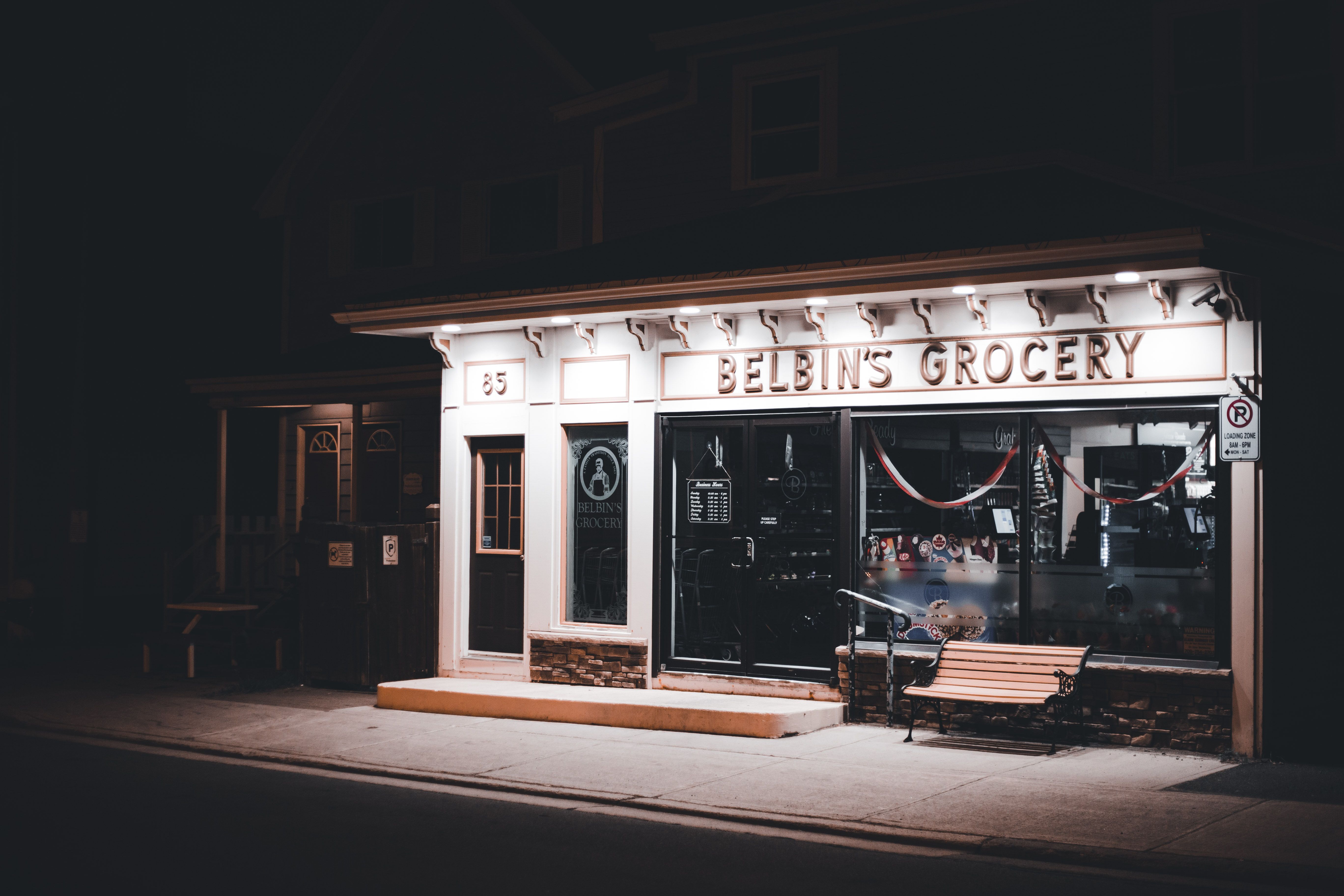
1. Upgrade Exterior Lighting
Lighting is often the cheapest upgrade with the biggest payoff. It helps customers find your entrance after dark, makes staff and visitors feel safer, and supports security cameras. Crime prevention guidance from city planning departments generally recommends lighting that is useful rather than just bright. Common recommendations include:
- Lighting entrances, exits, walkways, and parking areas so people can see who is approaching
- Using LED fixtures, which last longer, use less energy, and produce more even light with fewer shadows
- Pointing fixtures downward and shielding them to limit glare and light spill onto neighboring properties
- Adding timers or dusk-to-dawn sensors, and motion-activated lights in less busy areas
- Choosing tamper-resistant housings and break-resistant lenses for fixtures near the ground
2. Clean and Repaint the Facade
A clean, well-painted facade is one of the most visible signs that a business is well managed. Pressure washing brick, stone, or siding, repainting trim and doors, and repairing cracked tiles or damaged masonry can change the look of a building without a full renovation. Storefront improvement programs often focus on exactly these kinds of projects. A University of Wisconsin-Extension review of 24 storefront improvement projects found that more than 80 percent of reporting businesses saw an increase in first-time customers, and that many projects with small budgets still produced measurable results.
When planning paint and cleaning work, consider:
- Choosing colors that suit the building’s architecture rather than trends alone
- Scheduling cleaning before painting so the new finish lasts longer
- Checking local rules if the building is historic or in a design-review district
3. Refresh the Entrance and Landscaping
The entrance is where first impressions are formed. Planting beds, containers, and a few well-chosen shrubs can frame a doorway and make the building feel established. Keep plantings maintained so they enhance rather than hide the business. Many crime prevention guides recommend trimming shrubs to about 36 inches high and keeping tree canopies raised around 7 feet, so that sightlines remain clear and hiding spots are reduced.

4. Install or Repair Fencing
Fencing defines property boundaries, controls access, and keeps delivery areas, dumpsters, and storage yards out of view. A well-kept fencing system can also help separate customer parking from service areas and reduce unauthorized access after hours. Before you buy or repair, check the condition of posts and gates, confirm property lines, and make sure any gates open freely for emergency access. Choose a style that matches the building, whether that is a simple wood privacy screen for a back lot or a metal ornamental fence along the street frontage.
5. Update Signage and Window Graphics
Signs are how customers identify your business from the road, so they should be easy to read at a glance. Consider these points:
- Use high-contrast colors and large lettering that can be read from the sidewalk or the car
- Replace faded or damaged signs before they start to look neglected
- Keep window graphics minimal so that people can still see inside
- Confirm that signs meet local permit and size requirements before installation
6. Repave and Stripe the Parking Lot
Cracked asphalt, faded stripes, and standing water make a parking lot feel neglected and can create liability problems. Sealcoating, crack repair, and fresh striping are relatively affordable and can make a lot easier to use, especially for accessible parking spaces. Good drainage matters too, because puddles and ice are common safety issues. A lot that is clearly marked and well maintained also makes it easier for customers to find a space and decide to stop.

7. Improve Walkways and Accessibility
Walkways should be safe, level, and easy to follow from the parking area to the entrance. Repairing uneven pavers, adding handrails where there are steps, and installing ramps where needed improves safety for everyone and helps your business meet accessibility expectations. Clear, well-lit paths also reduce trip-and-fall incidents, which is a practical benefit for both customers and staff.
8. Upgrade Doors and Windows
Doors and windows shape how the building looks and how well it performs. Replacing a worn entry door, cleaning or resealing glass, and upgrading to energy-efficient windows can improve comfort and lower heating and cooling costs. Clear glass also lets passersby see that the business is open and active. Many storefronts display an open sign in the window to invite people in, which works best when the glass is clean and unobstructed.

9. Add Outdoor Seating and Gathering Areas
A bench, a few tables, or a small planted seating area can make a property feel like a destination rather than a drive-through stop. Seating encourages people to linger, which is helpful for cafés, bakeries, and retail shops that want passersby to stop in. Choose weather-resistant materials and position seating where it does not block the entrance or pedestrian traffic. Good lighting and nearby plants make the area more comfortable and more inviting in the evening.
10. Add Security Cameras and Clear Sightlines
Exterior cameras can deter theft and vandalism and provide useful footage if something goes wrong. Cameras work best when they are placed at entrances, parking areas, and loading zones, and when the area they cover is well lit. Keep sightlines clear by removing obstacles and avoiding dense hedges near doors and windows. Cameras should be installed in a way that respects privacy and complies with local rules, particularly if they view public sidewalks or neighboring properties.
Comparing the 10 Upgrades at a Glance
The table below summarizes the main benefit, typical effort, and a good starting point for each upgrade. Use it to compare options and decide which improvements fit your budget and timeline.
Choosing Where to Start
Most small businesses cannot do everything at once, so it helps to sequence the work. A practical order is to start with lighting and cleaning, which are visible and affordable, then move to landscaping, signage, and walkways. Larger projects such as fencing, paving, and window replacement can be planned into a multi-year budget. Get two or three written quotes for major jobs, check whether local programs offer design help or matching funds, and keep a simple maintenance calendar so that improvements stay in good shape.
Exterior upgrades work best when they reinforce each other. Good lighting makes cameras more effective, clean windows make signage easier to read, and tidy landscaping makes the entrance more inviting. Treat the outside of your property as part of your customer experience, and review it each season to see what needs attention next.