
A few years ago, I was struggling with burnout, but I didn’t want to admit it to myself. “Everyone feels this way,” is what I used to say when things got too hard or tiring. Fortunately, there are resources available today to end the cycle and recover from burnout. Local exploration was particularly life-changing for me.
What Burnout Looked Like for Me

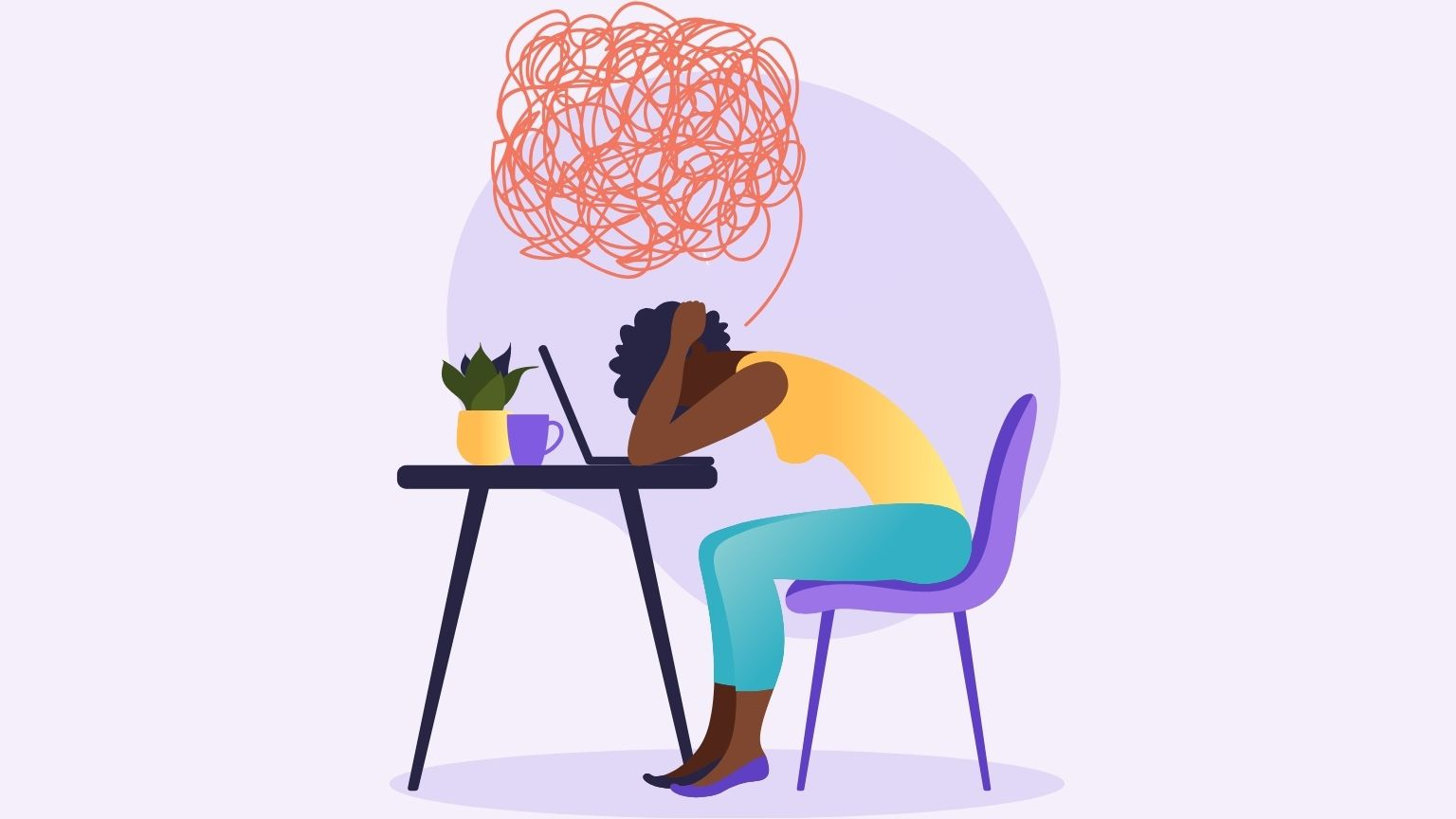
There were a few telltale signs that I was struggling. I was constantly exhausted despite sleeping for eight hours a day. I had trouble concentrating at work, which is why I made so many careless mistakes. Once, my boss even pulled me aside to discuss my performance and offer support.
Fifty-four percent of mid-level employees and 40% of entry-level staff reported feeling burnt out. Another 37% said they felt so overwhelmed that it made it hard to work, and 33% noticed a drop in productivity because of their mental health. I knew I wasn’t alone, but the mental exhaustion still made giving myself a bit of grace really hard.
Even with my partner, I suddenly found myself irritated by the little things. In my mind, I translated all these things as a lack of effort on my part. I just needed to work harder, be a better partner or find the best sleep routine.
I was a huge outdoor enthusiast, but I found myself trapped in my own cycle of postponing outdoor activities. I would wait for the right weekend or until I had enough energy, but there wasn’t enough. As a result, I gradually spent more and more time away from nature, which I love.
One day, after months away from nature, I said enough is enough. I finally admitted to myself that my experiences were all common signs of burnout. To recover from burnout, I first needed to understand the cycle.
Breaking the Cycle
The first thing I did was to practice self-care. That meant I advocated for myself in different scenarios and circumstances. I prioritized rest and recovery, nutritious meals, regular exercise, and a healthy balance between work and life. After taking care of basic necessities, I slowly returned to my love for the outdoors.
One particular engaging challenge is geocaching. I felt like I was a kid all over again, going on a treasure hunt. Through this community, I was able to spend more time with nature, be more physically active and meet so many amazing people.
Weekends were something to look forward to. I went over plans and possible locations in my spare time. Joining others kept me accountable and prevented me from canceling or staying in. After each session, I would enjoy it so much and be grateful to myself for following through.
The support of others was truly fundamental in my recovery. Whenever I felt down, my friends would cheer me up and offer help. When I felt happy, they were also there to share in the moment. Of course, I also tried to be a good friend to them. I realized how essential it was to connect with others to end the cycle.
Small, Actionable Strategies to Recover From Burnout
Here are a few activities I slowly integrated into my life that seemed to help the most.
1. Incorporating Walking into Daily Routine
It can be easy to succumb to the cycle of work, eat and sleep, but there are so many more things in life. I remember reading about how living around 0.5 miles of green spaces lowers your mental distress and anxious thoughts while boosting heart and metabolic health. After learning about that, I decided to walk more and appreciate the parks and the greenery available to me.
Walking prevented my weeks from feeling monotonous. I could take different routes each day and visit different shops, or I could walk at different times. Viewing my own neighborhood as if I were a tourist made the area feel magical and special.
I was able to appreciate all the little things, like the changing colors of the trees or the cobblestone streets. Even just getting outside the door and taking quick lunchtime strolls really lifted my mood, especially when I was working from home.
2. Mindfulness and Mental Health Techniques
When I was researching the best recovery activities for burnout, I learned that wellness practices like Hatha yoga and deep breathing improve sleep quality and attention. Luckily, there was a studio near me offering outdoor sessions. It’s deeply calming to engage in nature-focused mindfulness exercises.
It felt so energizing to practice yoga as I listened to the wind rustling or felt the filtered sunlight under the shade of trees. I felt more motivated to reach my hands up during a sun salutation flow or fully plant my feet into the mat during a Tree pose.
At the end, our instructor always asks us to just lie down for 10 minutes. Those moments feel truly precious and restorative. I always have mental clarity and energy afterward, which pushed me to keep booking sessions after the first one and spend even more time outdoors.
Other outdoor mindfulness activities I do are reading on park benches during a sunny day, planning picnics, joining birdwatching sessions and going on hikes.
3. Volunteering for Outdoor Conservation
Volunteering can be such a fulfilling and purposeful experience, especially when the activity is close to one’s heart. It can be an effective and rewarding tool to recover from burnout.
As I spent more and more time outdoors during my healing journey, I found myself wanting to protect and safeguard the beauty of nature for future generations. As a result, I have become more drawn to volunteer initiatives in outdoor conservation.
There are plenty of activities to choose from, such as trail maintenance and tree planting. I got to know different kinds of trees and how local communities cared for the saplings we planted. One of my most memorable conservation activities was guiding newly hatched turtles toward the sea.
Taking Charge of Burnout and Embracing Adventure
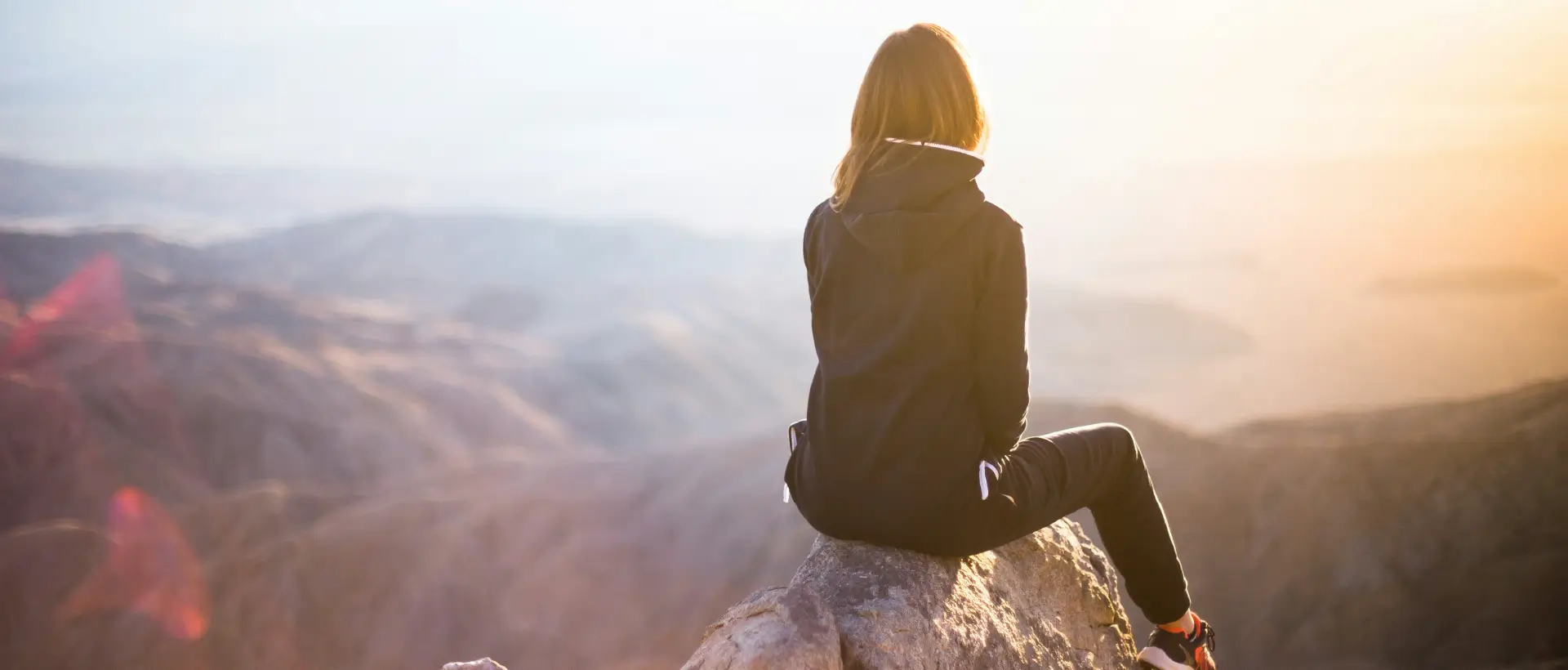
The most important part of my journey out of burnout was admitting to myself that I was struggling. After that, I could focus on implementing healthy habits like nourishing myself, exercising regularly and resting.
Geocaching also played a big role in my healing journey, as I found a supportive community and a fun activity that made me look forward to exploring the outdoors and start looking for more opportunities to stretch my legs.
By prioritizing self-care and reconnecting with my love for nature, I improved my personal wellness and ended the cycle of burnout.