
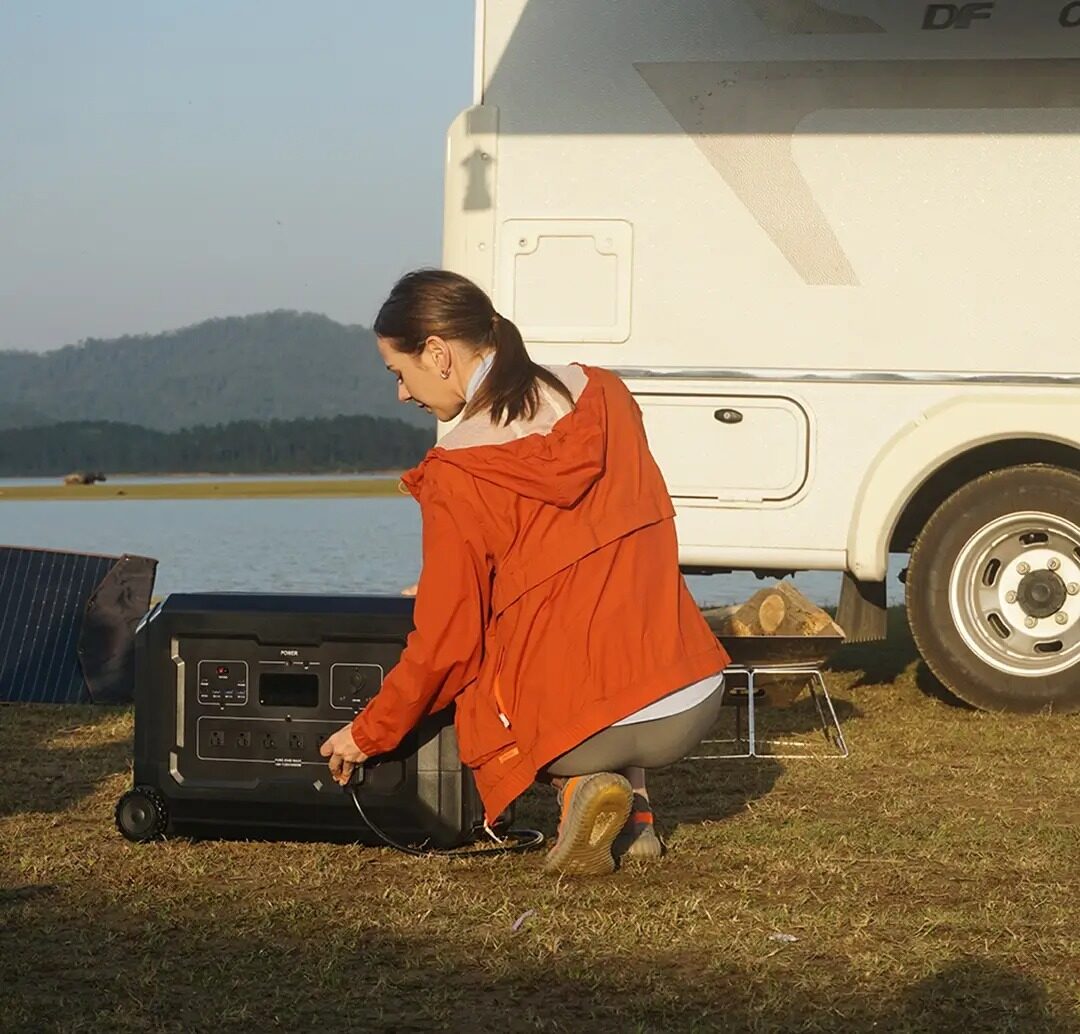
Away from daily habits, people head outside to unwind – yet today’s trips into nature aren’t like the old ones. Gadgets now tag along: phones guide the way through trails, lenses freeze moments worth keeping, coolers hum softly preserving meals, stoves plug in instead of burn fuel, lights stay on past dark without flickering out.
Comfort climbs with each device brought along. Still, a snag shows up quietly once batteries start fading – staying charged becomes harder the longer you’re off-grid.
Out here, where trees block cell signals, and rivers run louder than cities, quiet energy matters more than ever. Heavy cords disappear when sunlight charges what fits in a backpack. Not every trip needs gadgets, yet knowing your gear won’t quit halfway through the night changes how you plan.
Modern setups slip into tents like extra sleeping pads – light, ready, unobtrusive. Noise used to follow fuel; now silence powers screens, lights, even small stoves.
Traditional Camping Power Falls Short Now
Years went by before better options showed up; people stuck with single use batteries most of the time. Powering gadgets through the car slowly wore down its own energy source instead. Heavy machines burning gasoline took up space while humming loud each night. Replacing small cells every few hours became a chore without warning. Each fix brought another problem just around the corner.
Out here, space matters – so having just one device handle everything beats lugging around separate gadgets. That kind of setup runs smoother when the gear fits the mission: lightweight, tough, built to keep things running far from outlets.
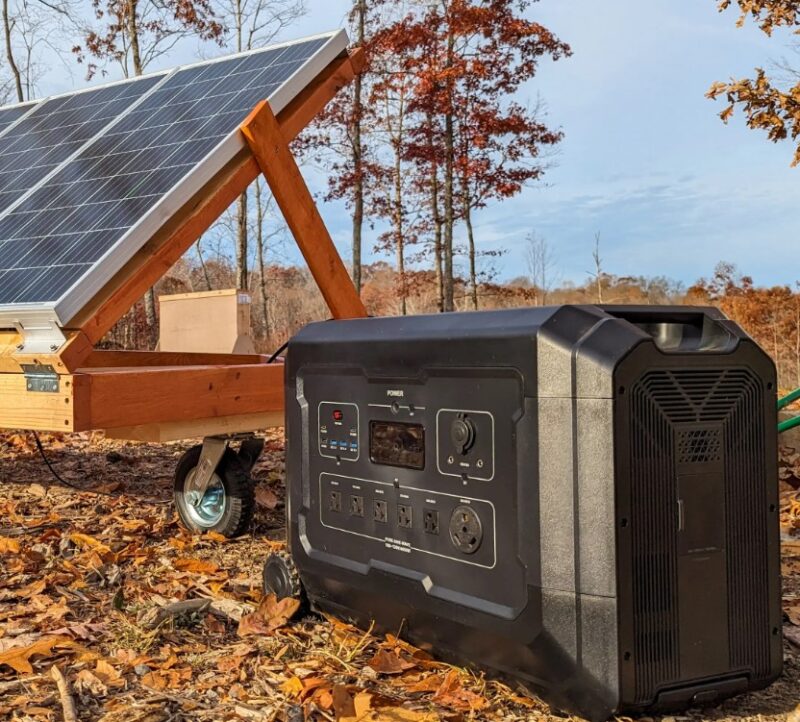
Steady electricity for key camping gear
Power requirements during camping go far beyond simply charging a phone. Many outdoor setups now include LED lights, electric coolers, portable fans, drones, laptops, GPS systems, coffee makers, and communication devices that require steady electricity throughout the trip.
Modern systems like the Portable Power Station for Camping provide multiple output options, including AC outlets, USB ports, and DC charging capabilities. This allows campers to charge several devices simultaneously while keeping all essential equipment powered without interruption.
Match the Station to the Trip
Not every camper needs the same amount of power. A solo overnight stay with a phone, headlamp, and small speaker asks for much less than a long family weekend with a fridge, fan, drone, camera gear, and cooking equipment. The smartest choice starts with the kind of trip you actually take, not the biggest number printed on the box.
Before buying or packing a power station, it helps to think through a few practical details:
- How many nights will you stay away from outlets?
- Which devices are essential, not just nice to have?
- Will you use lights, fans, coolers, or cooking gear after dark?
- Can you recharge with solar panels during the day?
- Does the unit need to be carried by hand or moved by car?
This kind of planning keeps the setup realistic. A smaller station works well for light camping, but longer off-grid trips need more stored energy and better recharging options.
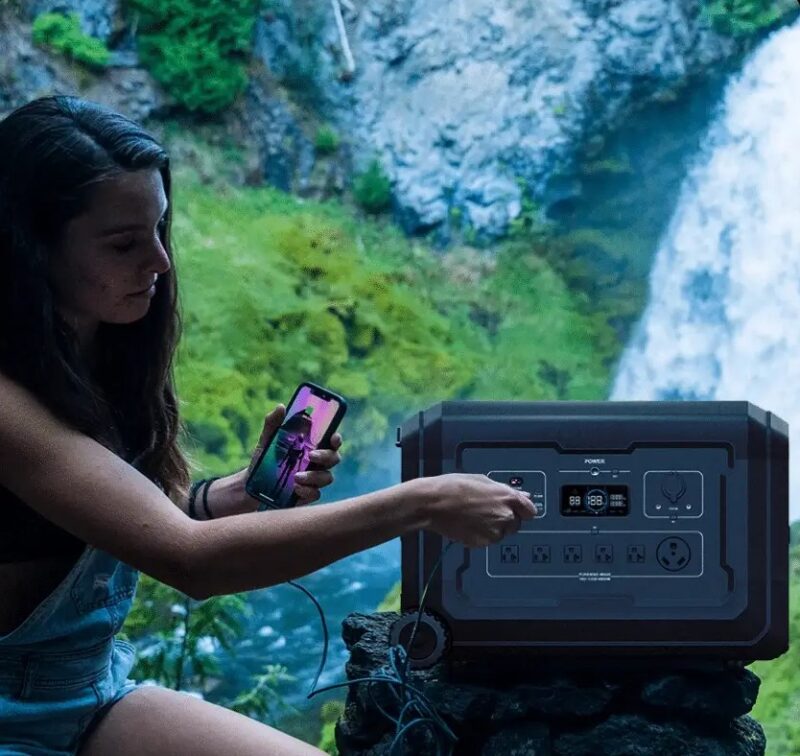
Built for long-lasting backup performance
Most people who spend time outdoors value gear that works when needed. Built into today’s best portable setups, these energy packs hold charge much longer than older kinds. Not every model hits the mark – but some handle more than 3500 full recharges without fading. Long trips mean less worry about sudden failures far from home.
When nights stretch long on the trail, outlets vanish fast. Suddenly, a beefy battery box turns into your only lifeline – lamps stay bright well past dark, and gadgets hum along quietly till morning light hits. Waking up without dead screens feels less like luck, then, more like planning.
Keep Comfort Without Losing the Outdoor Feeling
Some campers worry that using power outside ruins the point of camping. That can happen when the setup becomes too loud, too bright, or too complicated. But quiet portable energy does not have to turn a campsite into a living room. Used well, it simply removes the annoying parts that distract from the trip.
A small fan can make a hot tent easier to sleep in. A charged lantern can help children move safely at night. A cooler can protect food during warm days. A phone can stay ready for maps, weather, or emergencies without becoming the center of attention.
The goal is not to bring every home convenience into the woods. The goal is to keep the trip comfortable enough that people can enjoy being outside longer. When power stays quiet and tucked away, nature still leads the experience. The station just supports it in the background.
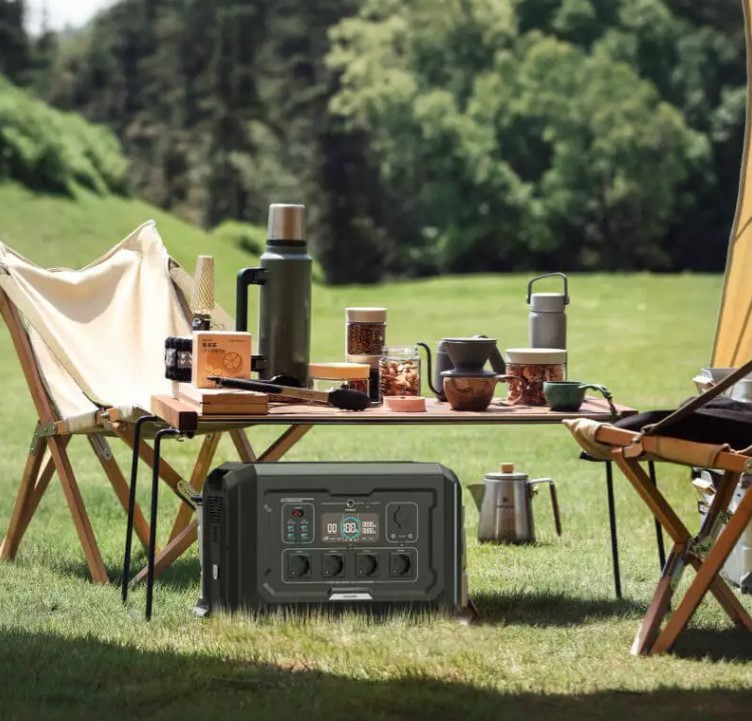
Charging choices for outdoor use
Charging options turn portable power stations into handy tools. Before hitting the road, plug them into a regular outlet at home. While moving between places, they top up through a car’s power port instead. Out in nature for days? Sunlight feeds them via solar gear when outlets vanish.
Most portable setups let users keep going without relying on one single energy source. Rather than hauling heavy tanks or hunting down outlets, travelers produce electricity several ways at once – whatever works along the route keeps things running. Flexibility here means fewer limits out in remote spots.
Quiet operation enhances outdoor moments
Unlike traditional generators that produce loud engine noise, portable power stations operate quietly while delivering stable electricity through pure sine wave inverter technology. This means campers can enjoy natural surroundings without unwanted background noise while safely powering sensitive electronics such as laptops, cameras, tablets, and communication equipment.
The quiet operation also makes portable power systems ideal for family camping trips where comfort and convenience play a major role in creating a better overall outdoor experience.
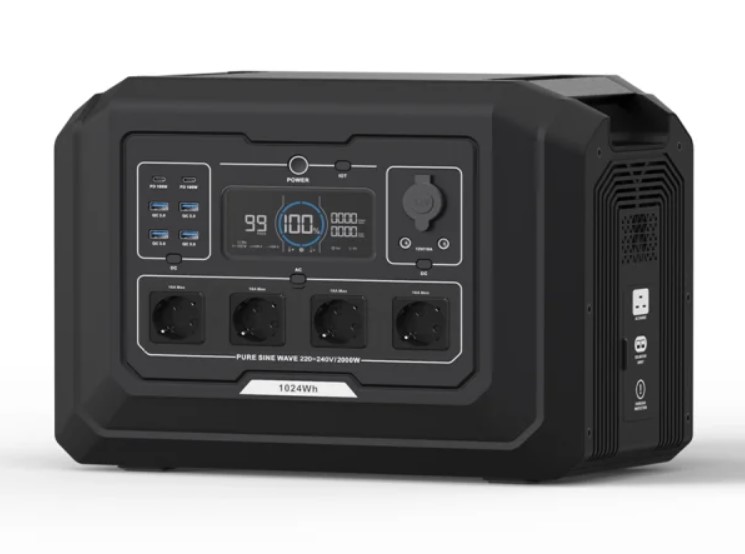
Smarter outdoor power choices
Out there under the open sky, gear runs best when it stays charged. Folks hitting trails want things to work without hassle, even miles from outlets. When gadgets and lights keep humming, the whole journey shifts. Electricity isn’t a bonus anymore; it’s what keeps plans alive after dark. Some trips fall apart just because batteries die too soon.
A solid camping power station cuts down on hassle when you’re out in nature. Because it stores energy portably, handling gear becomes easier. Not only does it offer several ways to power devices, but charging happens quickly too. When the sun goes down, or gadgets run low, backup power stays ready. Smooth trips often start with reliable electricity nearby.
Final Thoughts
Camping should focus on relaxation, adventure, and enjoying the outdoors rather than dealing with power limitations. Having reliable portable energy available makes every part of the experience easier, from charging important electronics to running essential equipment that improves comfort throughout the trip.
Portable power stations have become one of the smartest upgrades for modern campers because they combine portability, long-lasting battery performance, quiet operation, multiple charging methods, and enough backup capacity to keep outdoor adventures running smoothly from start to finish.