
Europe offers some of the most diverse hiking experiences in the world. Travelers can walk through alpine passes, circle glacier-fed lakes, or follow rugged shorelines where mountains meet the sea. The variety allows hikers to match routes to their fitness level and interests while still enjoying spectacular scenery.
Many of the best hiking destinations in Europe combine well-marked trails with easy access to villages and transport, which makes planning simpler even for longer trips.
Coastal Trails In Corfu And The Ionian Region
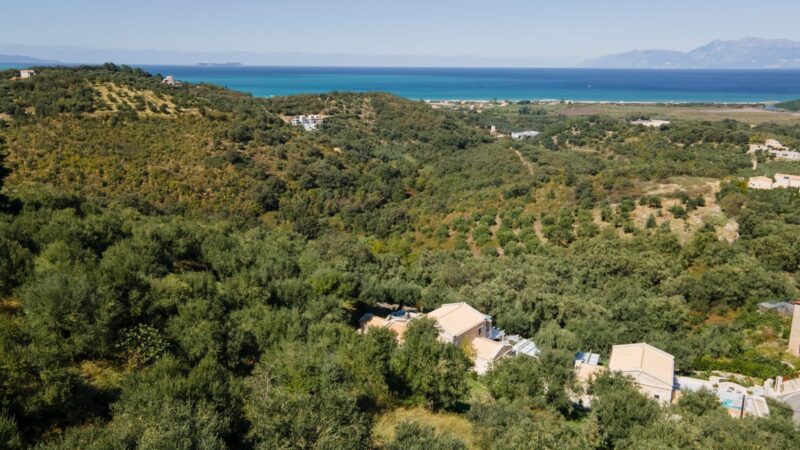
The Ionian islands offer a distinctive hiking experience where olive groves, rocky hills, and turquoise waters form a constant backdrop. Corfu is especially appealing because trails often lead to quiet coves and panoramic viewpoints within the same day’s walk. Mild weather extends the hiking season well into autumn.
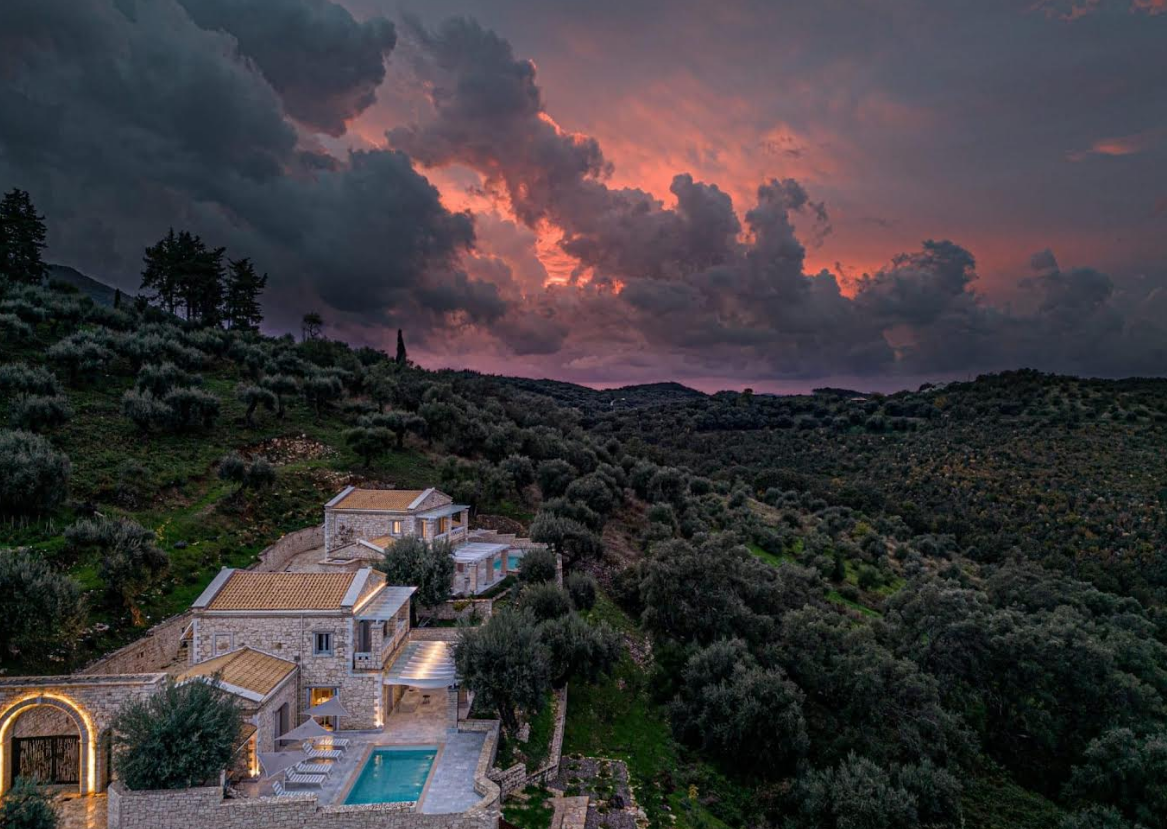
Many travelers combine hiking with a relaxing stay near the coast. After long trail days, comfortable accommodation becomes part of the experience, and properties like ionianstonevillas.com offer privacy and calm surroundings close to scenic walking routes.

The estate sits in an area where sea views and mountain terrain meet, making it a practical base for exploring inland paths and coastal routes without long transfers.
Typical hiking features in Corfu include:
- Gentle elevation changes that suit moderate hikers
- Historic stone paths linking traditional villages
- Routes combining forest shade and open viewpoints
- Easy access to beaches after a day on the trail
These routes feel less crowded than alpine destinations while still delivering memorable views.
Alpine Hiking In The Swiss Alps
The Swiss Alps remain one of the best hiking destinations in Europe for travelers who want dramatic mountain scenery with excellent infrastructure. Well-maintained paths connect valleys, lakes, and high ridges, allowing hikers to create routes that range from easy half-day walks to demanding multi-day treks.
Trails around Zermatt, Grindelwald, and the Bernese Oberland offer glacier views and high alpine meadows. Cable cars help hikers reach higher elevations without long approaches, which makes the terrain more accessible.
A few characteristics make alpine hiking particularly rewarding:
- Clearly marked trails reduce navigation challenges
- Mountain huts provide meals and overnight stays
- Scenic train routes simplify logistics
- Snow-capped peaks remain visible even in summer
Did you know?
Switzerland maintains more than 65,000 km of marked hiking trails, one of the most extensive trail networks in the world.
High elevations require preparation. The weather can change quickly, and temperatures often drop significantly above 2,000 meters.
Lake District Hiking In Northern Italy
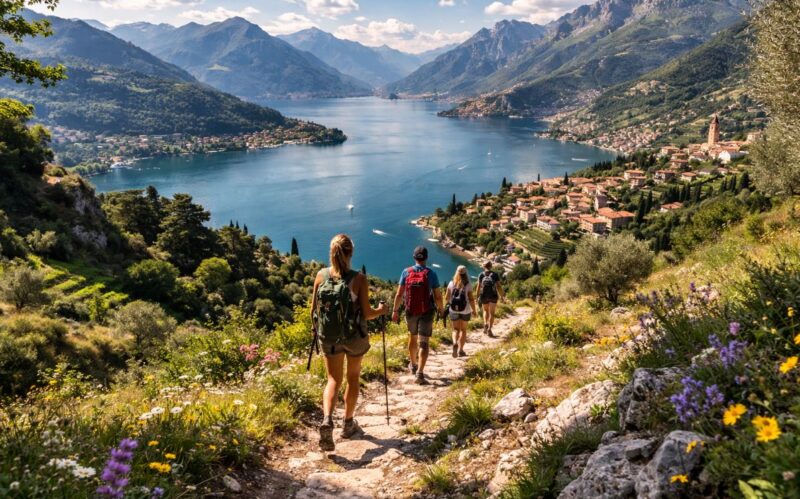
Northern Italy offers exceptional hiking terrain where mountain trails lead directly to lakeside villages. The region surrounding Lake Garda and Lake Como provides routes that combine steep ridges with peaceful waterfront paths.
Many trails follow historic mule tracks that once connected isolated settlements. These paths often provide gradual elevation gain and reliable footing. Views over the lakes remain constant as hikers move between forest sections and open rock faces.
The table below highlights some well-known lake hiking areas.
| Area | Trail Type | Difficulty | Best Season |
| Lake Garda | Ridge trails and panoramic paths | Moderate | April to October |
| Lake Como | Forest trails and village routes | Easy to moderate | May to September |
| Dolomite Lakes | Alpine lake circuits | Moderate to challenging | June to September |
Lake regions attract hikers who want variety without extreme conditions. The combination of water and mountains keeps temperatures comfortable during summer months.
Small towns along the lakes make it easy to plan flexible hiking days without carrying heavy gear.
Coastal Hiking In Portugal’s Atlantic Region
Portugal offers some of the best hiking destinations in Europe for travelers who prefer ocean views and steady terrain. The Rota Vicentina trail system stretches along the southwestern coast and provides long walking sections through cliffs, dunes, and fishing villages.
Unlike alpine routes, elevation changes remain moderate while the scenery constantly shifts. Atlantic winds keep temperatures comfortable during warmer months, which allows longer hiking days.
Some trail characteristics stand out:
- Sandstone cliffs create continuous coastal viewpoints
- Well-marked routes simplify navigation
- Small villages provide regular rest stops
- Trails remain accessible for most fitness levels
Important fact ─ The Rota Vicentina network includes more than 450 km of marked routes along Portugal’s southwest coast, making it one of the longest coastal trail systems in Europe.
Spring and early autumn offer the best balance between comfortable temperatures and fewer visitors.
Mountain Hiking In The Austrian Tyrol
Austria’s Tyrol region delivers classic mountain hiking with wide valleys and high peaks. Trails pass through alpine pastures where traditional wooden huts serve simple meals and local cheese. This region attracts hikers who enjoy long scenic days without extreme technical difficulty.
Many routes allow gradual ascents through forest before opening into wide alpine basins. The terrain feels expansive and quiet, especially away from ski resorts.
Popular hiking characteristics are:
- Long-distance trails connecting multiple valleys
- Well-maintained mountain huts
- Reliable trail signage
- Opportunities for multi-day routes
Interesting fact ─ Alpine huts in Austria often operate as family businesses that have served hikers for generations, preserving traditional mountain culture.
Summer remains the most reliable season for hiking, with snow usually gone from mid-elevation trails by June.
Dramatic Scenery In The Norwegian Fjords
Norway provides some of the most visually striking hiking environments in Europe. Fjord regions combine steep mountains and deep water, creating dramatic vertical scenery. Trails often climb quickly to viewpoints overlooking long, narrow inlets.
Routes near Geirangerfjord and Hardangerfjord deliver iconic perspectives that reward steady climbs. The terrain can be demanding, but distances remain manageable for day hikes.
Weather conditions require careful planning. Rain appears frequently even in summer, and hikers should carry waterproof gear.
Key features of fjord hiking include:
- Steep trails leading to panoramic viewpoints
- Waterfalls are visible along many routes
- Quiet paths outside peak tourist areas
- Long daylight hours during summer
Extended daylight makes Norway especially appealing for hikers who want to cover more distance in a single day.
Conclusion
The best hiking destinations in Europe offer a remarkable variety within relatively short travel distances.
Mountain regions provide dramatic elevation and challenging terrain, lake districts balance scenery with accessibility, and coastal routes deliver relaxed walking with sea views.
Careful planning allows hikers to combine several regions into one trip and experience the full diversity of European trails.